Process

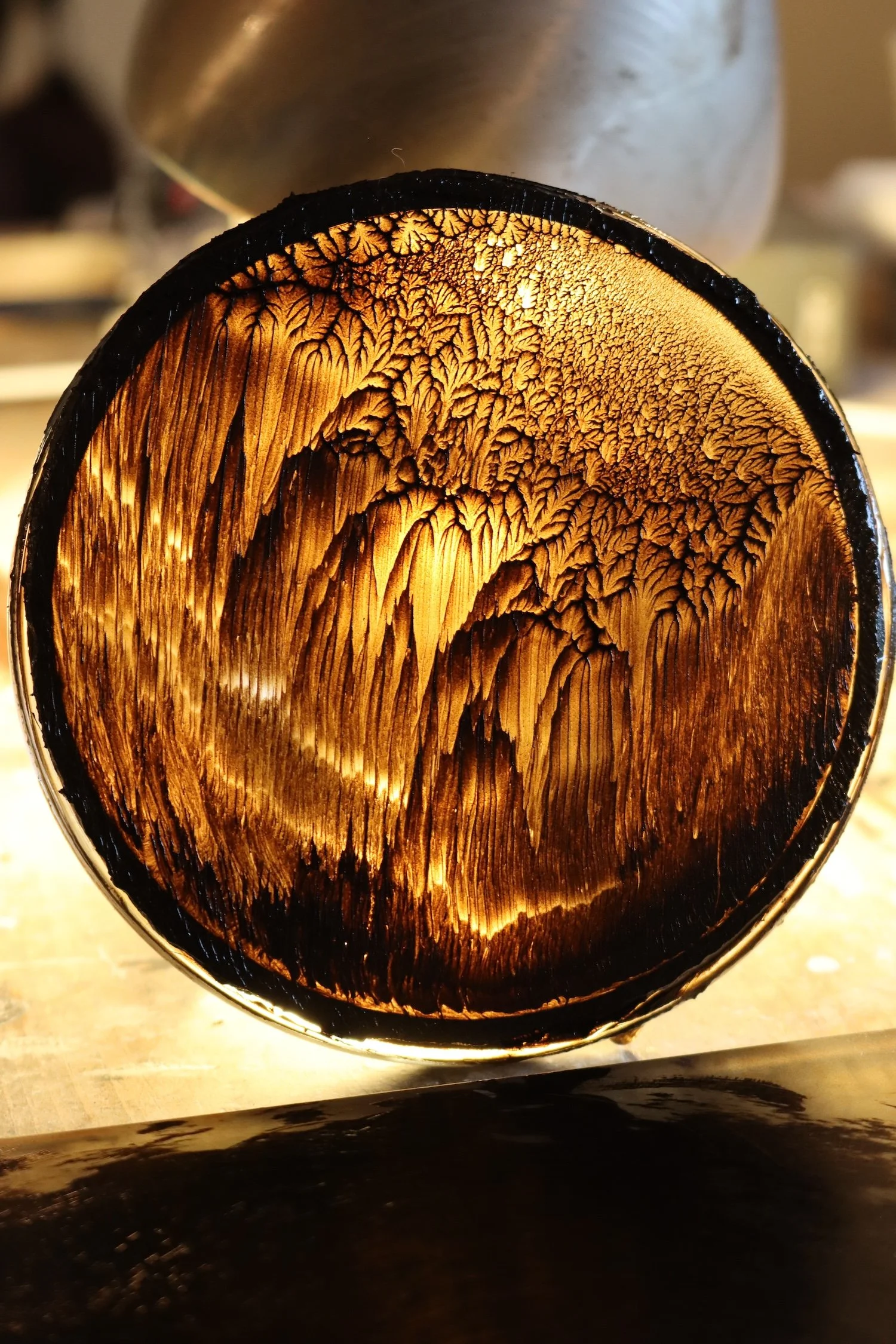
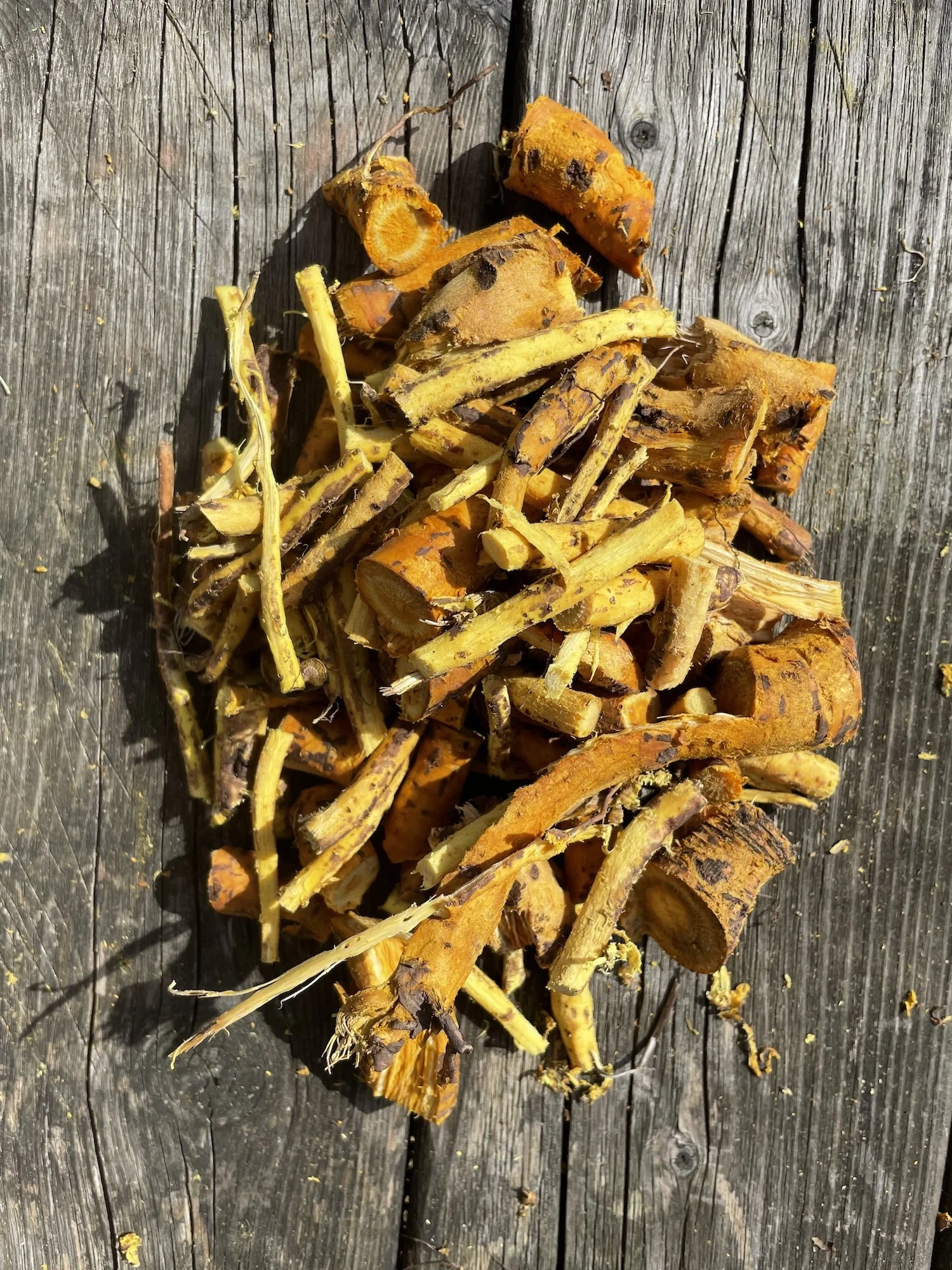
Making colour from the world around us is one of the oldest human cultural activities, an ancient continuum little changed and linking us directly to the worlds of our ancestors. In my work natural found and waste stream materials are used to make pigments, inks and paints. In their specificity to time, place and individual life, and in the labour of their making, the pigments become infinitely precious, a finite resource that can never be exactly replicated. Earth is dried, sifted and levigated; stones are pounded and washed; plants are simmered and laked. Found bones and fallen twigs are charred in the absence of air. Mixed with oil they are ground with a glass muller on the slab, and slowly, slowly, the material world becomes ink and paint, telling stories of its own. All materials are collected ethically, in small amounts, and only if they are to be found in abundance. Bones have been gathered over years; twigs fell in the last storm; wild plants are harvested after seeding, others grown organically. Robin Wall Kimmerer’s ‘honourable harvest’ is a guiding principle.